Prompt engineering is the skill of writing clear, specific instructions that get better results from AI tools. If you’ve ever been frustrated with ChatGPT giving you vague or off-topic answers, the problem was probably your prompt, not the AI.
In this guide, you’ll learn what prompt engineering actually means, why it matters, and how to start using it effectively.
What Is Prompt Engineering?
A prompt is the message you send to an AI. Prompt engineering is the art of writing that message well.
Instead of typing “write me a blog post” and hoping for the best, you structure your request with context, constraints, and clear expectations. The AI then has what it needs to give you something useful.
For a technical overview, check out OpenAI’s Prompt Engineering Guide, their official best practices for working with language models.
Here’s the difference in practice:
For example:
-
Poor prompt: “Write a blog post about marketing.”
-
Well-engineered prompt: “Act as a senior content marketer. Write a 1000-word blog post on ‘Email Marketing Trends for 2025,’ with subheadings, real-world examples, and a friendly, expert tone.”
In 2025, prompt engineering is no longer optional. It’s essential.
Why Prompt Engineering Matters in 2025
AI is now part of how we work, write, code, design, and communicate. But AI models are not mind readers. They respond based on how you prompt them. The clearer and more strategic your input, the better the output.
Here’s why prompt engineering matters more than ever:
-
Productivity boost: Save time by getting better results on the first try.
-
Higher accuracy: Avoid off-topic answers or hallucinations from AI.
-
Customization: Tailor outputs to your voice, brand, or specific context.
-
Collaboration: Teams using AI benefit from shared prompt libraries and standardized interactions.
-
Competitive edge: The better your prompts, the better your business outcomes.
From generating blog posts to automating reports, prompt engineering lets you turn AI into a reliable digital partner.
Real-World Use Cases

Prompt engineering is used across every major industry in 2025. Here’s how professionals are applying it:
Marketing and Content
-
Writing SEO blog posts, ad copy, product descriptions
-
Repurposing long-form content into tweets, emails, or reels
-
Generating headlines and A/B test ideas
Customer Service
-
Powering AI chatbots with accurate, brand-aligned replies
-
Creating knowledge base articles
-
Drafting follow-up emails or support ticket summaries
Software Development
-
Generating boilerplate code, test cases, and documentation
-
Writing scripts or data processing instructions
-
Translating user stories into working code prompts
HR and Operations
-
Writing job descriptions
-
Screening resumes with AI-assisted summaries
-
Drafting policies or company handbooks
Education and Coaching
-
Creating personalized study plans
-
Generating quizzes and course outlines
-
Acting as a tutor for specific topics or age groups
No matter your field, the ability to engineer prompts turns AI into a powerful extension of your skills.
Prompt engineering skills are even more valuable when paired with the right tools - explore the Best AI Apps of 2025 to see what’s possible.
Good vs. Bad Prompts: A Quick Comparison
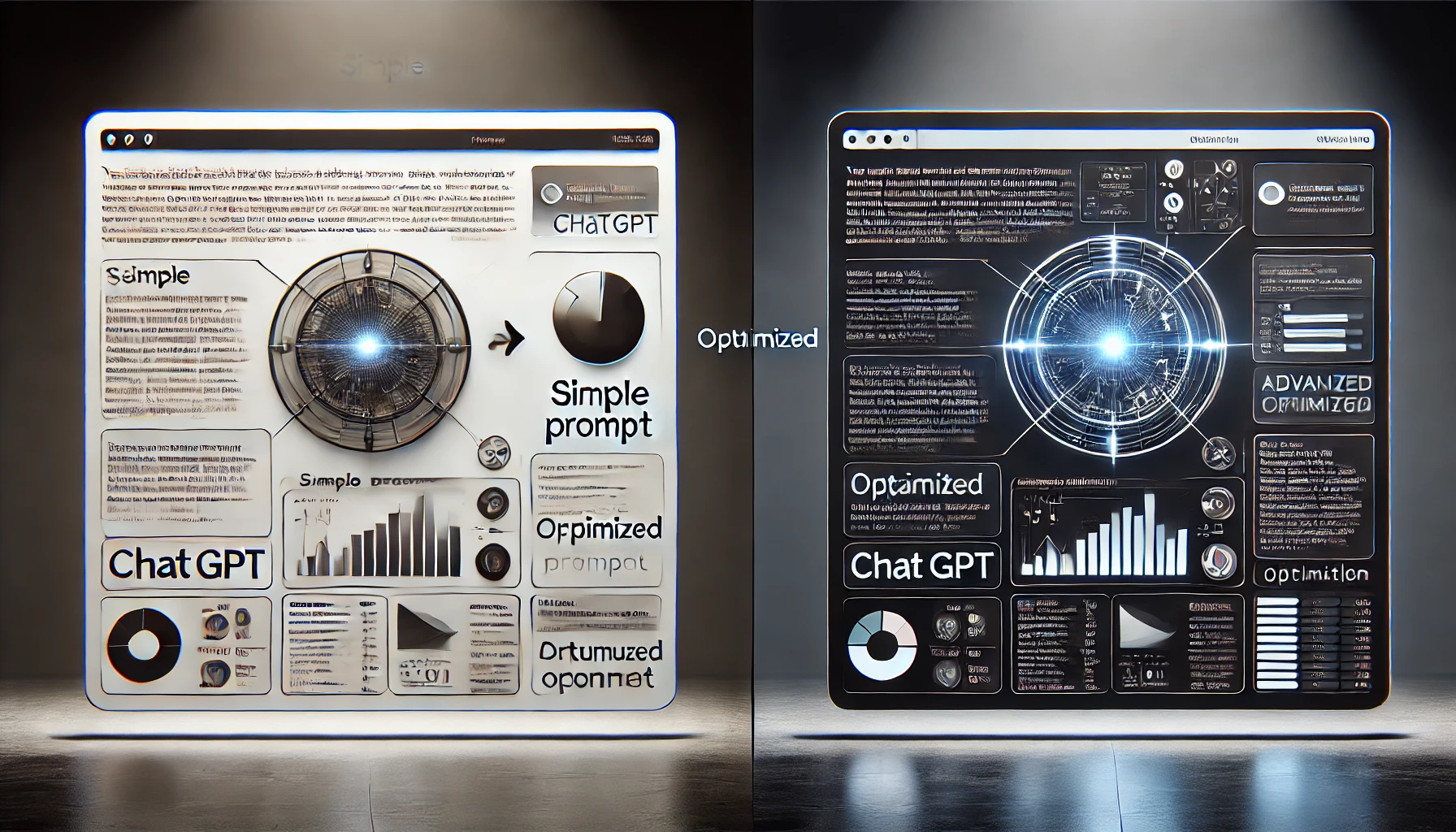
Here’s a simple breakdown of how much impact prompt wording makes.
Bad Prompt: “Write a business plan.”
Result: Generic, unstructured, and likely irrelevant.
Good Prompt: “You are a startup advisor. Write a detailed business plan for a mobile fitness app targeting millennials in urban areas. Include sections for market analysis, revenue model, growth strategy, and marketing plan.”
Result: Focused, relevant, and ready to use.
Pro Tip: Use the R-T-F-T Framework
Role, Task, Format, Tone
“Act as [ROLE]. Complete [TASK] in [FORMAT] with a [TONE] tone.”
This simple structure creates consistently strong prompts across any use case.
How to Start Learning Prompt Engineering

You don’t need to be a programmer or data scientist to learn prompt engineering. Anyone can do it with a little practice.
Here’s how to get started:
1. Use AI Tools Regularly
Practice using ChatGPT, Claude, Gemini, or your preferred model. Try asking the same question multiple ways and compare the results.
2. Analyze Great Prompts
Look at example prompts on sites like FlowGPT, PromptHero, or Reddit’s r/PromptEngineering. Reverse-engineer what makes them effective.
3. Build a Prompt Library
Save your best-performing prompts in Notion, Google Docs, or Obsidian. Organize by use case-content, code, research, writing, etc.
4. Test and Iterate
Great prompts aren’t written-they’re tested. Slight changes in wording can lead to big changes in output. Always revise and improve.
5. Take Online Courses
In 2025, there are dozens of courses and tutorials available, including:
-
Udemy’s “Prompt Engineering for Beginners”
-
“AI Prompting Mastery” on Coursera
-
YouTube channels covering advanced tips and real-world walkthroughs
Tools That Help With Prompt Engineering in 2025
As the field grows, new tools have emerged to help you write better prompts, manage workflows, and collaborate with AI more efficiently.
Popular Tools:
-
ChatGPT (Pro): Still the most used AI writing assistant, especially for content and research.
-
PromptLayer: Tracks your prompts and their performance.
-
FlowGPT: Offers a searchable library of user-shared prompt templates.
-
PromptPerfect: Optimizes prompts automatically for clarity and performance.
-
LangChain / PromptFlow: Tools for developers building AI-powered apps with complex prompt chains.
-
Jasper / Copy.ai: For marketers who want fast content from optimized prompts.
Prompt Engineering Career Opportunities

In 2025, prompt engineering is not just a skill. It’s a career path.
In-Demand Roles:
-
Prompt Engineer
-
AI Content Specialist
-
AI Workflow Designer
-
Conversation Designer
-
Technical Prompt Strategist
-
LLM Prompt Consultant
Industries Hiring Prompt Engineers:
-
Tech and SaaS companies
-
Marketing agencies
-
E-commerce brands
-
Education and EdTech
-
Healthcare and legal tech
According to job boards, prompt engineering roles now command salaries ranging from $90,000 to $180,000+, depending on technical experience, industry, and location.
Prompt Engineering Best Practices
To improve your prompt skills, follow these best practices:
-
Be specific: Avoid vague instructions. The AI needs context.
-
Give structure: Request bullet points, numbered lists, or sections.
-
Define the tone and role: Make it clear who the AI should “be” (e.g., expert, teacher, marketer).
-
Set constraints: Limit word count, focus on target audience, or specify output format.
-
Iterate: Don’t expect perfection on the first try. Revise prompts like you revise drafts.
The Future of Prompt Engineering
In the near future, AI tools will become even more intuitive. But the need for skilled prompting won’t disappear-it’ll evolve.
Instead of writing long, manual prompts, we’ll likely use:
-
Prompt templates
-
Voice commands
-
Multimodal inputs (text, image, audio)
-
Prompt agents that build their own chains of prompts to complete tasks
Still, the foundation remains: clear thinking, strategic input, and a focus on outcomes. That’s the essence of prompt engineering.
Final Thoughts
In 2025, knowing what is prompt engineering can be the difference between average AI results and expert-level performance. If you’re writing, coding, selling, or teaching, prompt engineering makes every AI tool work significantly better for you. And the best part? You can learn it today, no advanced tech skills required.
Start practicing. Refine your prompts. Build your own prompt library. The more you understand what is prompt engineering, the more value you’ll unlock from every AI tool you use.
In the world of AI, your words are your power. Learn how to use them well.
Want to see how prompt engineering powers modern tools? Check out our AI Tools for Beginners guide.